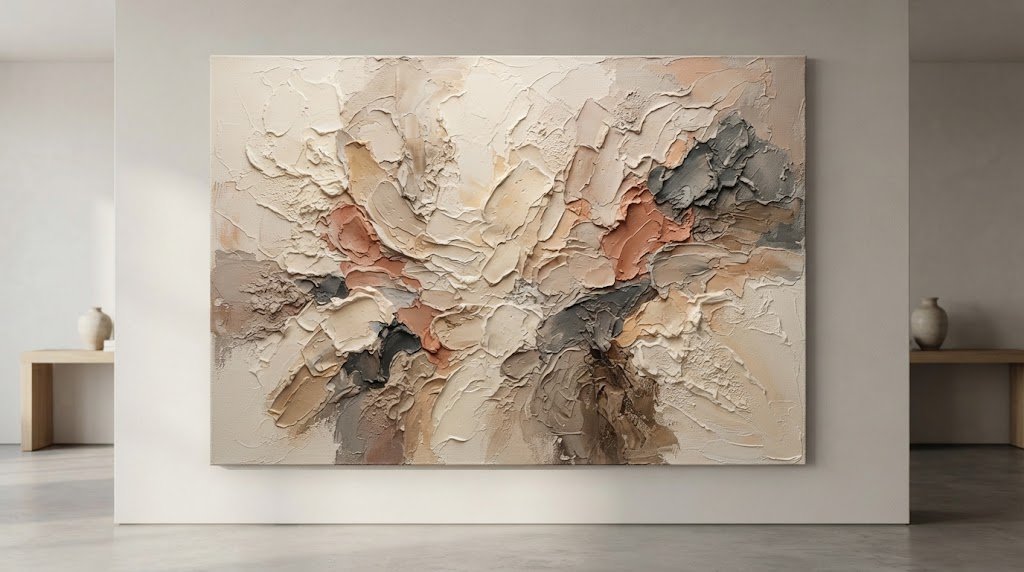
Art is not only about what you see. Sometimes, the surface, depth, and movement of a painting can be just as important as its colors and subject. That is one reason textured wall art continues to attract attention among people looking for contemporary artwork with a more dimensional appearance.
Unlike completely flat artwork, textured paintings can create visual depth through raised details, layered materials, expressive brushwork, and carefully built surfaces. Depending on the technique, the artwork may look different as lighting and viewing angles change.
For art collectors and casual buyers alike, textured artwork offers an opportunity to choose something that feels more distinctive than a standard printed image.
What Is Textured Wall Art?
Textured wall art refers to artwork where the surface has visible or tactile variation. Artists can create texture through thick paint, layered mediums, plaster-like finishes, palette-knife techniques, fabric elements, or other artistic materials.
Some textured paintings have subtle surface details that become noticeable when viewed closely. Others use dramatic raised forms that become an important part of the composition.
The texture does not necessarily need to be highly pronounced. Even delicate brush marks or layered color can give a painting a richer visual character.
Why Textured Artwork Is Becoming Popular
One reason people are drawn to textured artwork is its ability to provide more visual interest.
A flat print can reproduce an image accurately, but a textured painting can communicate something about the artist’s process. Brush marks, uneven surfaces, layered tones, and dimensional details can make the artwork feel more expressive.
Several characteristics make this style particularly appealing:
- Visible artistic texture
- Greater sense of depth
- Organic and imperfect details
- Strong light-and-shadow interaction
- Contemporary visual appeal
- More distinctive surface character
This makes textured art suitable for people who want artwork that feels substantial and visually engaging.
Popular Types of Textured Wall Art
There is no single look that defines textured artwork. Different techniques can produce completely different results.
Textured Abstract Wall Art
Abstract compositions work especially well with texture because artists can combine raised surfaces with shapes, lines, colors, and movement.
A textured abstract painting may feature broad palette-knife strokes, irregular forms, overlapping layers, or subtle three-dimensional details.
Neutral combinations such as ivory, beige, taupe, charcoal, and warm brown can create an understated appearance, while stronger colors can make the artwork more expressive.
3D Textured Wall Art
3D textured art emphasizes depth more strongly than conventional paintings. Raised shapes, sculptural surfaces, and dimensional patterns can make the artwork appear almost architectural.
This style can be particularly interesting when viewed under directional lighting because shadows help reveal the different levels of the surface.
Neutral Textured Wall Art
Neutral textured artwork focuses on surface detail rather than intense color.
Cream, sand, beige, off-white, taupe, and soft gray are commonly used to create a restrained artistic palette.
The simplicity of the colors allows brushwork and texture to become the main visual feature.
Plaster-Style Wall Art
Plaster-inspired artwork often uses organic surfaces and imperfect forms. Instead of perfectly smooth shapes, the composition may include uneven edges, ridges, cracks, or layered material effects.
This approach can create a handmade artistic appearance while maintaining a contemporary aesthetic.
Textured Botanical Art
Texture can also be combined with natural subjects. Leaves, flowers, branches, and other botanical forms can be represented using layered paint and raised details.
The result can combine recognizable natural imagery with the dimensional qualities of contemporary artwork.
How to Choose the Right Textured Wall Art
Buying textured artwork requires slightly more consideration than selecting a simple print.
Start by thinking about the visual role you want the painting to play.
Do you want it to quietly complement other artwork, or should it become the main point of attention?
A subtle neutral piece may work well when you want texture without strong color. A large abstract composition with pronounced brushwork can create a much more dramatic artistic statement.
Consider the Size
Size can significantly affect how textured artwork is perceived.
A small textured painting may work well as part of a collection, while a large piece gives the surface details enough space to become noticeable.
Before ordering, measure the wall area and compare those measurements with the artwork’s actual dimensions.
Do not rely only on product photographs. An image can sometimes make a painting appear larger or smaller than it really is.
Think About Lighting
Lighting plays an important role in textured art.
A flat painting mainly depends on color and composition, while textured artwork can create shadows across its surface.
Natural daylight can reveal subtle variations in texture. Directional artificial lighting can make raised areas more pronounced.
For this reason, consider how the artwork will look at different times of day rather than judging it from a single product photograph.
Texture and Color Should Work Together
Texture is most effective when it supports the overall composition.
For example, an artwork using several shades of cream may rely on surface variation to create depth. A colorful abstract painting might use texture to separate different sections of the composition.
When choosing a piece, look beyond the dominant color. Pay attention to how the colors transition across the surface and how texture interacts with those changes.
Textured Canvas Art vs. Printed Artwork
One important distinction is the difference between genuine surface texture and a printed image that simply photographs like it has texture.
Printed artwork can reproduce the visual appearance of brushstrokes or raised surfaces, but the physical surface may remain relatively flat.
If actual texture is important to you, check the product description carefully. Look for information about materials, surface treatment, painting technique, and finish.
At RealFound, artwork descriptions and visual presentation can help shoppers understand the character of the piece before making a purchase.
How to Style Multiple Textured Art Pieces
Texture does not mean every artwork in a collection needs to look identical.
You can combine different levels of surface detail while maintaining a visual connection through color, subject, or composition.
For example, a subtle neutral textured painting can be paired with a more expressive abstract piece. The shared color palette can create continuity even when the artistic techniques differ.
If several pieces have extremely strong textures and competing colors, however, the overall arrangement may become visually crowded.
Large Textured Wall Art as a Statement Piece
Large artwork gives textured surfaces room to make an impression.
A substantial painting can showcase broad brushwork, layered materials, and subtle changes in surface depth more effectively than a very small piece.
When selecting large textured wall art, pay particular attention to proportion. The painting should have enough surrounding space to remain visually distinct.
A large artwork does not necessarily need an elaborate frame or additional decoration. Its texture and composition can provide enough visual interest on their own.
What to Check Before Buying Online
Buying artwork online requires attention to details that may be difficult to judge from photographs.
Before placing an order, check:
- Exact artwork dimensions
- Canvas or other surface material
- Whether the texture is physical or printed
- Frame information
- Hanging or mounting requirements
- Color representation in product photographs
- Care instructions
- Shipping and packaging details
High-resolution photographs can help, but product specifications are equally important.
Finding Textured Art That Feels Personal
Art trends can provide inspiration, but they should not determine every purchase.
The most useful question is whether you actually enjoy the artwork.
You might prefer subtle plaster-inspired surfaces, energetic abstract brushwork, geometric texture, botanical details, or heavily layered contemporary paintings.
RealFound focuses on bringing distinctive artwork styles together so shoppers can explore different visual directions instead of being limited to one particular aesthetic.
Final Thoughts
Textured wall art brings another dimension to contemporary painting by combining composition with surface detail. From minimalist neutral artwork to expressive abstract paintings, texture can change how a piece interacts with light, space, and the viewer.
When choosing textured artwork, consider its size, colors, materials, surface depth, and the amount of visual attention you want it to receive. Most importantly, look beyond trends and choose a piece whose artistic character genuinely appeals to you.
A well-selected textured painting can offer more than color on a wall. Its layers, marks, and dimensional details can become part of the experience of viewing the artwork itself.